ChatGPT Images 2.5, studied properly: edits you can point at, and grain you should check for
OpenAI's new image model lets you comment on the exact spot you want changed. What that fixes for a small brand, and the flaw testers keep finding.

Our five studies so far were tools designers choose. This week, the one your clients already have open in a tab. ChatGPT's image generator moved to version 2.5 on Tuesday, with an editing toolbar, a sketch pad and templates for the jobs small brands actually do. A five-minute read.
📐 The Study: ChatGPT Images 2.5
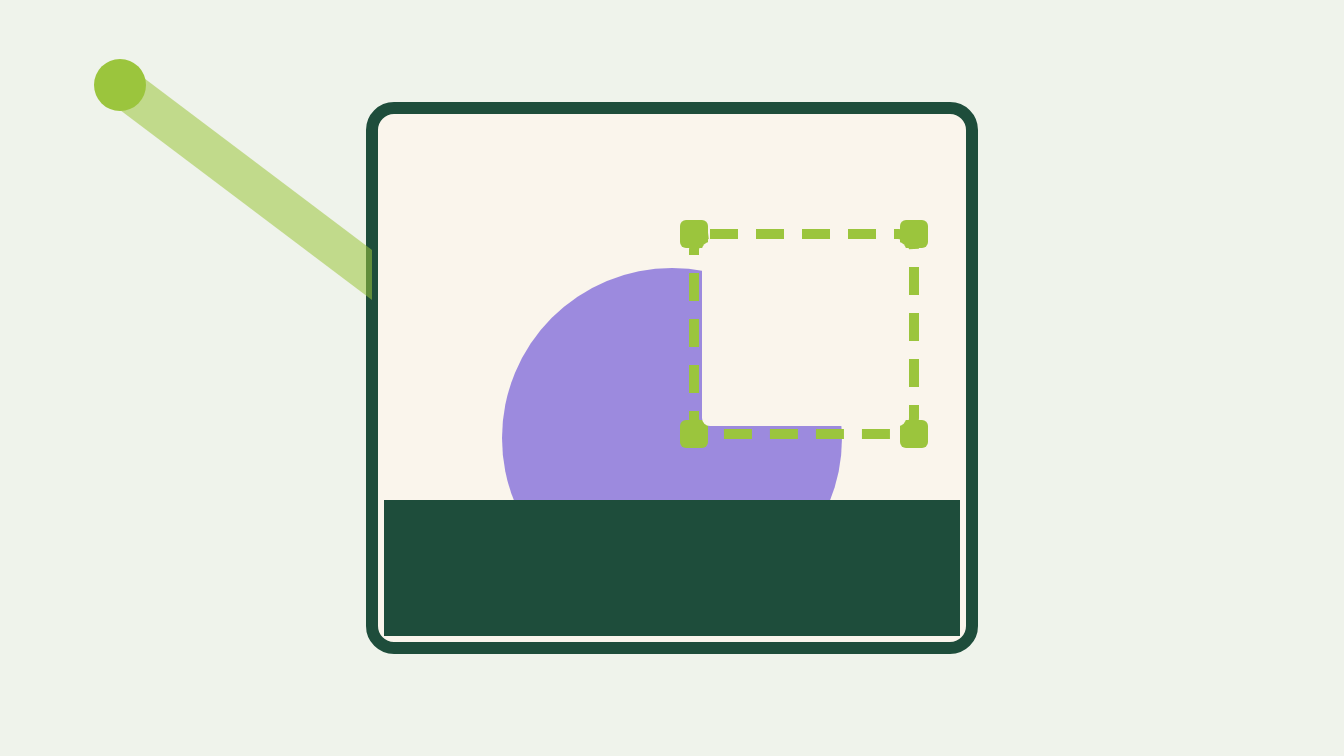
What it actually is. Images 2.5 is a new model plus a set of tools, rolled out on September 8 to every ChatGPT plan, ChatGPT Work and Codex. OpenAI's summary, as 9to5Mac reported it, promises "sharper details, faster generation, more precise editing, and better tools for creating and sharing," with one hard number: "reduced image generation latency by up to 50% compared with Images 2.0." Around the model sit Sketch (type "@ Sketch" and draw the idea instead of describing it) and templates for posters, merch and product shots. The piece that matters most arrived quietly: TechRadar's Graham Barlow notes that an Edit toolbar (Markup, Comment, Remove BG, Erase, Resize) appears to have been rolling out since August, unannounced.
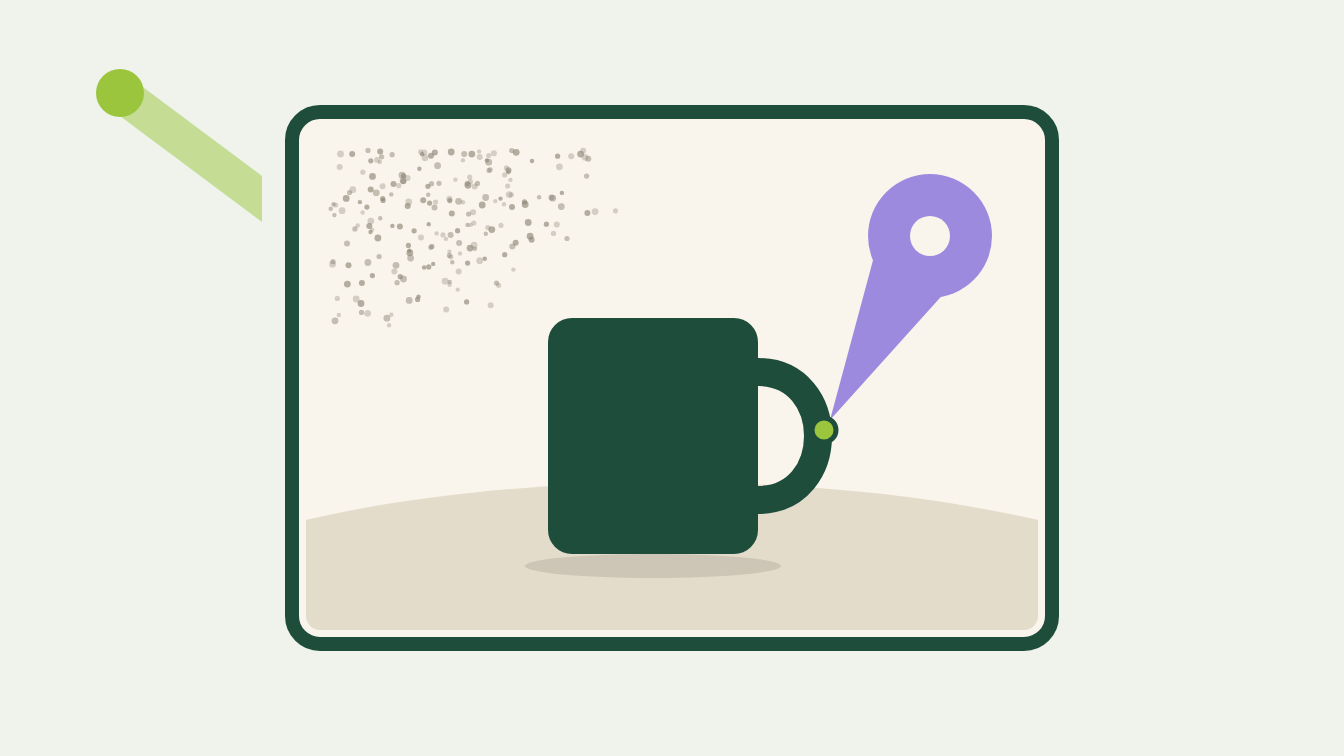
Where it fits in a real workflow. Picture a two-person ceramics brand shooting a new mug for its launch page, with no photographer. The Product photo template asks for a photo of the mug, then a style (Clean Studio, Editorial, Lifestyle, Dramatic), then a setting, and only then generates. The Comment tool changes what happens next. Click the handle and write "make this matte", click the backdrop and write "warmer grey", then send. In Barlow's words, the comments "are actually points for ChatGPT to act on." Every edit is saved as a version you can scroll back to, Remove BG hands you a transparent PNG, and Resize reframes the shot to 16:9 for the banner. The old loop, re-describing the whole picture and hoping the rest survives, is gone.
Where it falls short. Three limits, the first sitting exactly where a product shot lives.
The grain. Two days after launch, TechRadar's Eric Hal Schwartz tested a Reddit complaint that "the noise patterns are awful" and ended up agreeing. On his studio mug, "the grey studio background has a persistent granular texture," although his prompts asked for smooth gradients. His verdict is fair both ways: "fast, adaptive, and often competent, but its fondness for granular texture weakens the realism it is supposed to embody." Zoom to 100% on every seamless backdrop before it ships.
The meter you cannot read. The two API models, Flare ("fast, high-quality everyday image generation") and the slower Sunburst ("for workflows where editing precision matters most"), bill the same token rates as GPT Image 2, but OpenAI's model page notes that its GPT Image 2 calculator "does not estimate GPT Image 2.5 token consumption." Batch is not supported. Resellers add their own labels: Krea's September 9 note calls Sunburst "optimized for speed," the opposite of OpenAI's description. Read the maker's page, not the shelf label.
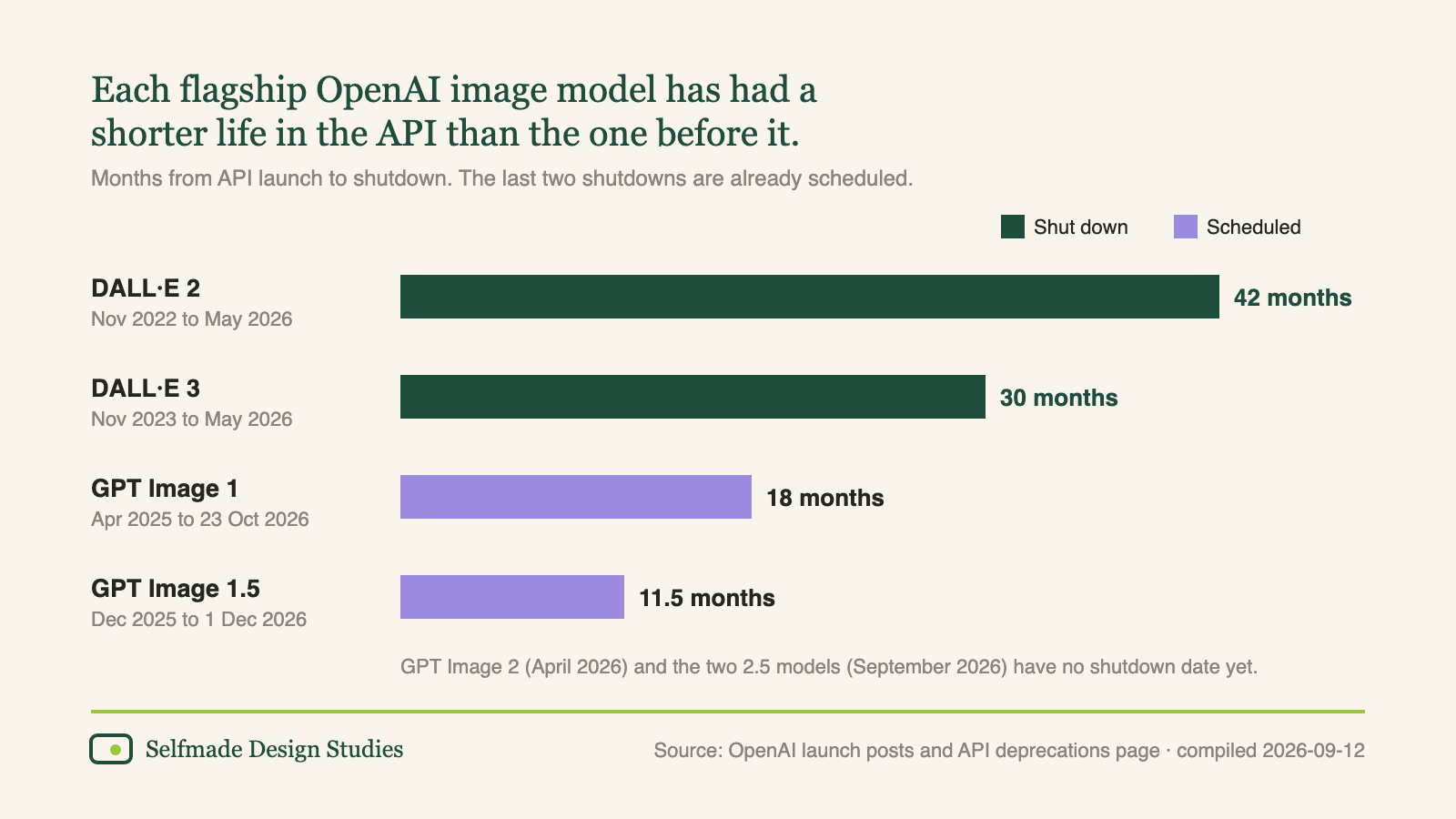
The shelf life. If your pipeline calls the API, the model underneath has an expiry date, and it keeps arriving sooner. GPT Image 1 shuts on October 23, eighteen months after launch; 1.5 follows on December 1, before its first birthday.
Who should care. Non-designer founders: the strongest everyday case in this series, provided you zoom in before you post. A logo template gives you a PNG that looks like a logo, not a palette with measured contrast or type sizes written down. That half is rules, not pixels; you can build your own kit without any AI. Brand and product designers: adopt the Comment tool, and point at the problem instead of re-prompting it. Studios on the API: price your own jobs before quoting, and diary the re-test. Anyone delivering to clients: OpenAI's system card says images from ChatGPT, Codex and the API carry C2PA provenance metadata plus SynthID, Google DeepMind's invisible watermark. Tell the client before the file does.
🗞️ The Digest
- Runway moves into your timeline. Since September 8, Runway runs in a panel inside Premiere Pro and After Effects: "restyle the footage already on your timeline with Aleph 2 and place every result directly into your comp or sequence." It is a free download that works with an existing paid plan. Four days earlier came a Team plan, where every seat adds 6,900 credits a month to one shared pool for up to nine people.
- Krea opens its agent to every plan, and shows the bill first. Krea Agent became "available to everyone, including Free" on September 10, at the same compute cost as the Image and Video tools, with free launch-week credits until September 15. Since September 7, those tools also show "an estimated compute cost before you run a job." The meter complaint from our first study, answered by at least one vendor.
- Sora's API shuts on September 24. OpenAI's deprecations page removes the Videos API and every Sora 2 model that day, with no replacement named. If a client pipeline renders video through it, the migration belongs in this sprint.
- Adobe's tools arrive in Slack. Adobe for Slack, live since September 2, puts more than seventy tools, Firefly and Photoshop among them, behind Slackbot for Business+ and Enterprise+ workspaces. Signing in to Adobe unlocks the generative features.
- Midjourney asks what to build next. A September 3 post collects ideas ahead of "a formal voting session in the next week or two." If Character Reference in V8 is your gap, as it was in our V8.2 study, this is where to say so.
Sixth study in the series; the last one, on Paper, is on the site. Have you pushed a real deliverable through ChatGPT's comment edits yet? Reply and tell us where it held, and where it grained.
Forwarded this by a friend? Subscribe here. Found it useful? Forward it to one person who'd want it.
— The Editorial Team